
What FIGARO was
Aims and context of the project.
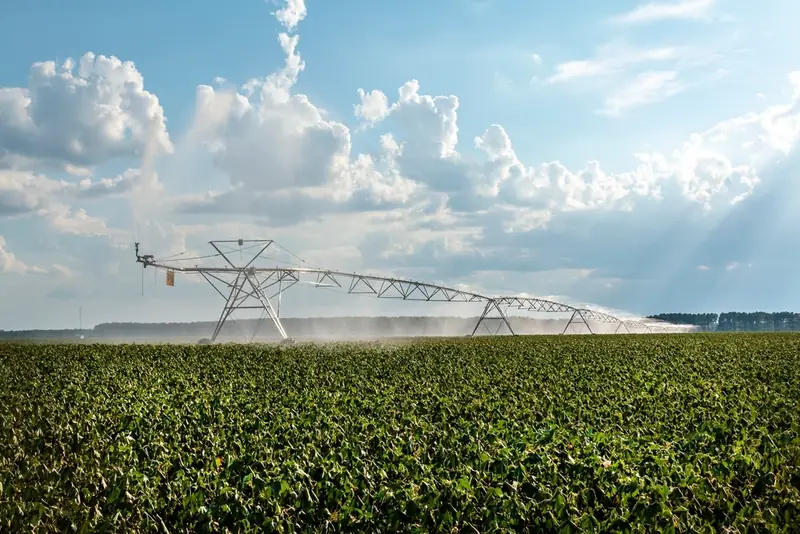
EU FP7 research project · 2012–2016 · precision irrigation
FIGARO (Flexible and Precise Irrigation Platform to Improve Farm Scale Water Productivity) was a European research project that ran from October 2012 to September 2016. Its goal: help farmers irrigate with less fresh water by combining field sensors, weather forecasts and crop models in one decision-support platform.
Photo: rawpixel (CC0, credits)
This site is an independent record of that work: what the platform did, where it was tested, what was published and how precision irrigation has been discussed since. It is not the project's official website.
Aims and context of the project.
Sensors, models, optimisation: how the system worked.
Field tests and public deliverables.
Brussels, 19 September 2016.
How the FAO AquaCrop model works in four steps (canopy cover, transpiration, normalised water productivity, harvest index), how it represents water stress, the inputs it needs, how the FIGARO partners used it for deficit irrigation, and its limits.
What the electrical conductivity on a water analysis means, the FAO-29 guideline limits, how crop salt tolerance is expressed, the leaching requirement formula with a worked example, and what drip irrigation changes.
The physics of lifting and pressurising irrigation water, a worked example per bar of pressure, what a study of ten Spanish irrigation districts measured, and the practical ways to cut the pumping bill without cutting water.
All analysis · All news · Blog · Events


